13 October, 2026 | News
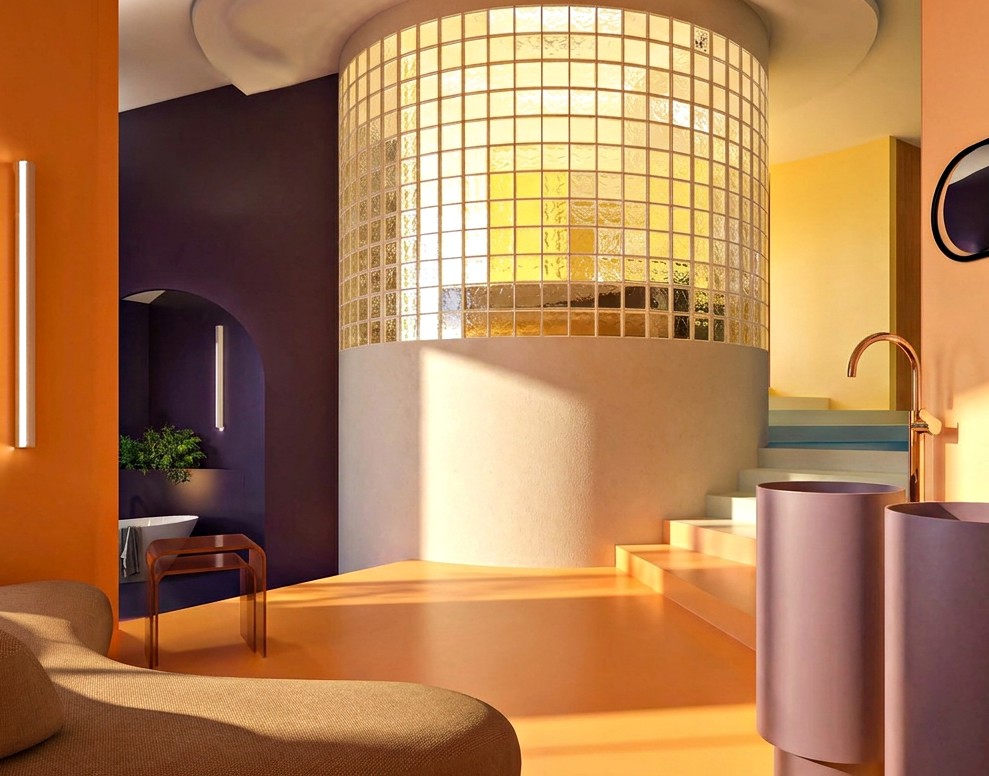
Some materials seem to belong to another era, yet have the remarkable ability to reinvent themselves and return to the forefront of contemporary design. This is certainly true of glass blocks, also known as glass bricks, which are enjoying a renewed wave of popularity in architecture and interior design.
Iconic throughout the 1970s, 1980s, and 1990s, when they were commonly used for partition walls, stairwells, and bathrooms, glass blocks are now being reinterpreted through a more contemporary design language, becoming striking architectural and decorative features.
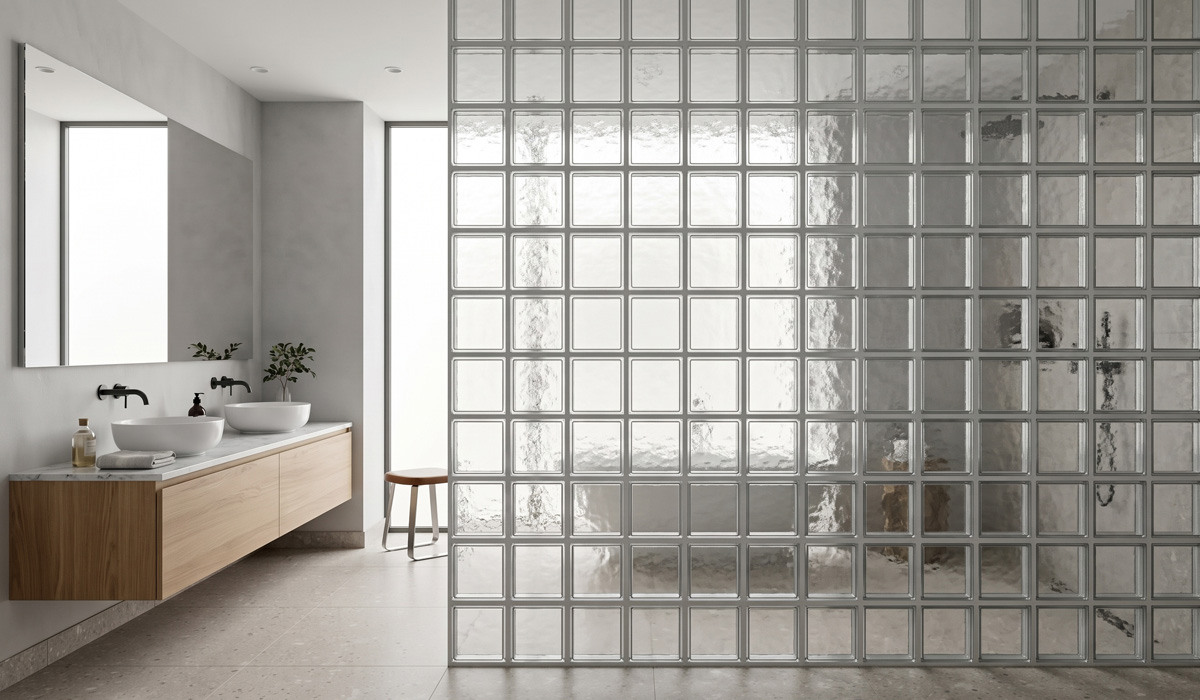
The secret behind their renewed popularity lies in their ability to divide spaces without blocking natural light. This is particularly valuable in contemporary interior design, where the desire for bright, open, and visually connected spaces goes hand in hand with the need to create more intimate and private areas.
Unlike traditional solid walls, glass blocks filter and diffuse natural light, creating fascinating effects of transparency and refraction. The result is a harmonious balance between openness and privacy, capable of enhancing even smaller interiors.
The material’s aesthetic evolution has also contributed to its comeback. Alongside classic transparent blocks, today’s options include frosted finishes, textured surfaces, distinctive geometric patterns, and new colors, opening up a wide range of creative possibilities.
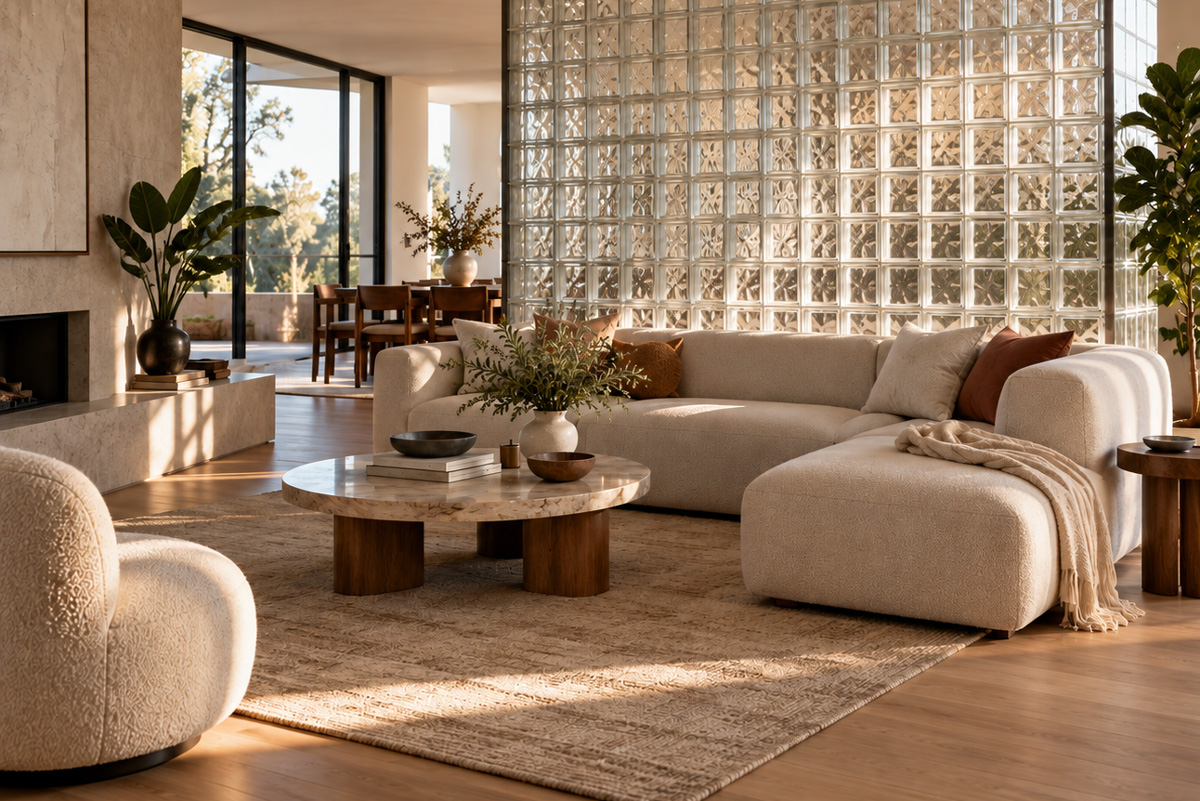
While glass blocks were once primarily associated with bathrooms, they are now finding their place in a wide variety of residential and commercial interiors.
In contemporary bathrooms, they can be used to create luminous shower partitions, including curved configurations, or to separate functional areas without visually weighing down the space.
In open-plan interiors, glass blocks can become an original design feature between the kitchen and living room, define an entrance area, or create a secluded home office while maintaining a sense of visual continuity and brightness.
They also offer exciting opportunities in commercial spaces, hotels, and restaurants, where they can be used to create architectural screens and decorative surfaces with a striking visual impact.
Their contemporary appeal becomes particularly evident when combined with other materials: large-format ceramic tiles, natural wood, stone, concrete, and metallic details complement the transparency of glass, creating sophisticated contrasts between solidity and lightness.
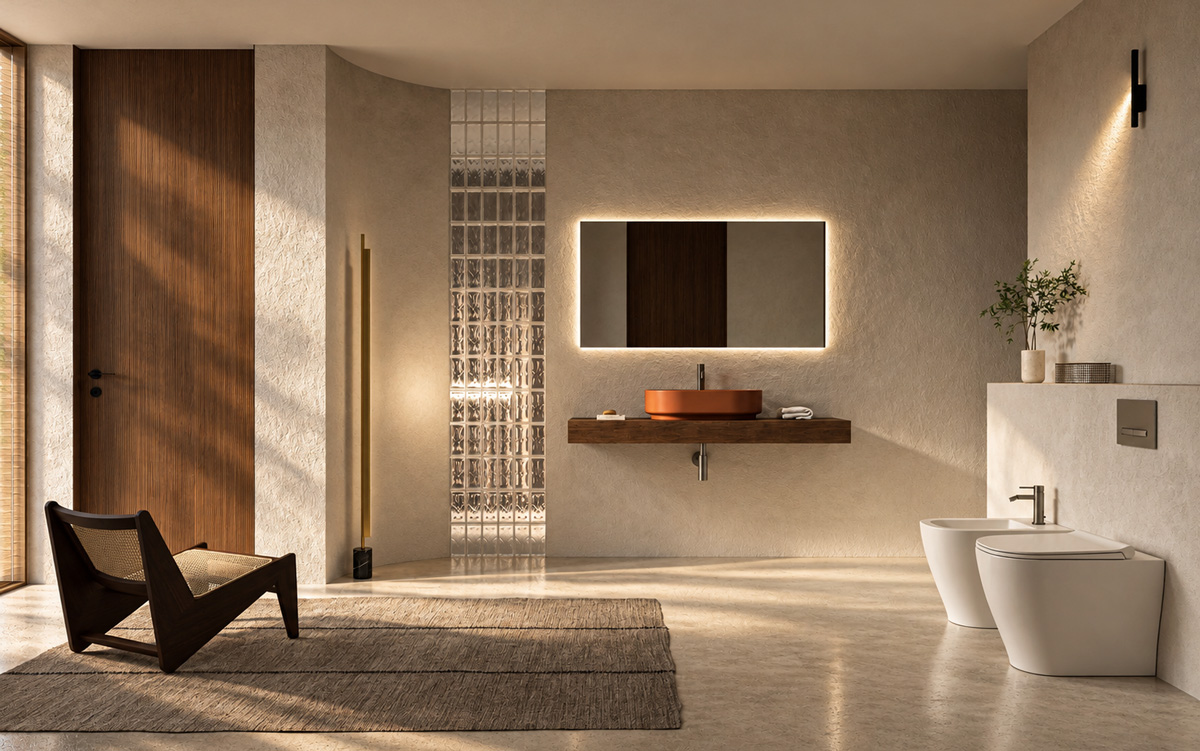
Incorporating distinctive architectural features into an interior requires careful consideration of space, proportions, and material combinations.
With DomuS3D, the professional interior design software developed by Maticad, designers can incorporate glass blocks and other decorative partition elements into their projects, exploring different layouts and creative solutions.
Thanks to 3D design tools and photorealistic rendering, interior designers and retailers can visualize the final result, evaluate how partition walls interact with flooring, wall coverings, and furniture, and present clients with personalized, engaging design proposals.
The return of glass blocks demonstrates how interior design can rediscover materials from the past and give them new meanings and functions.
No longer simply a practical building solution, glass blocks have become an architectural feature capable of shaping light, defining spaces, and adding character to interiors. A timeless material that, through fresh interpretations, is once again revealing its full creative potential.