11 February, 2026 | News
Selling flooring, wall coverings, and bathroom furniture today no longer means simply displaying products. Customers walk into a showroom after seeing hundreds of images online, saving ideas from social media, and comparing prices and styles. They arrive informed and demanding, expecting an experience that can transform inspiration into something tangible.
For a modern retailer, the difference lies in the ability to guide the customer through a journey: from welcome, to design, all the way to signing the contract. In this process, DomuS3D becomes a strategic tool—not just a technical one.
Below we’ll see how it can help showrooms sell better, increase average order value, and build customer loyalty.
An effective sale starts even before the first line is drawn. Working by appointment makes it possible to dedicate time and attention, making customers feel supported and understood.
The listening phase is crucial: preferences, budget, technical constraints, and inspirations seen online. All of this information helps build a targeted proposal.
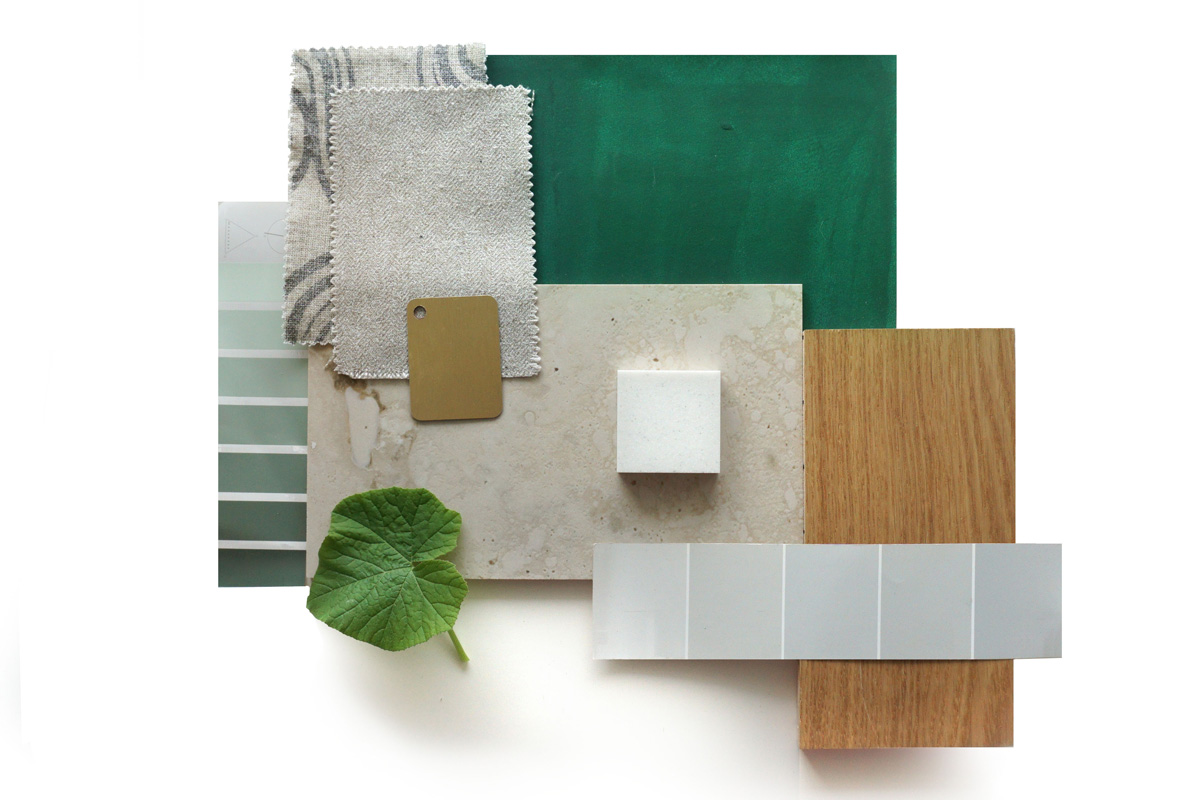
This is where the moodboard is created: materials, colors, atmospheres. It’s the bridge between the dream and the project.
Touching surfaces, opening cabinets, and perceiving finishes remains essential. But on its own, it’s no longer enough. Customers often struggle to imagine how those pieces will look in their own home.
This is exactly the moment when digital design comes into play.

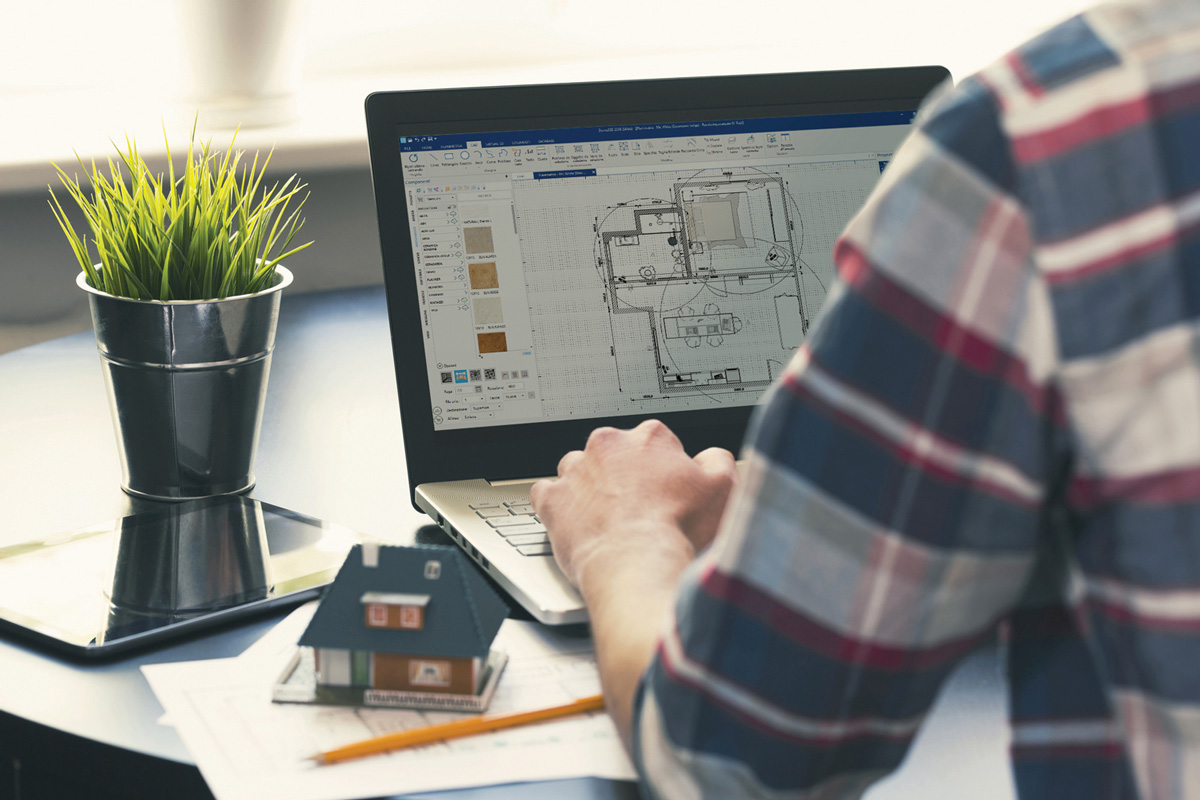
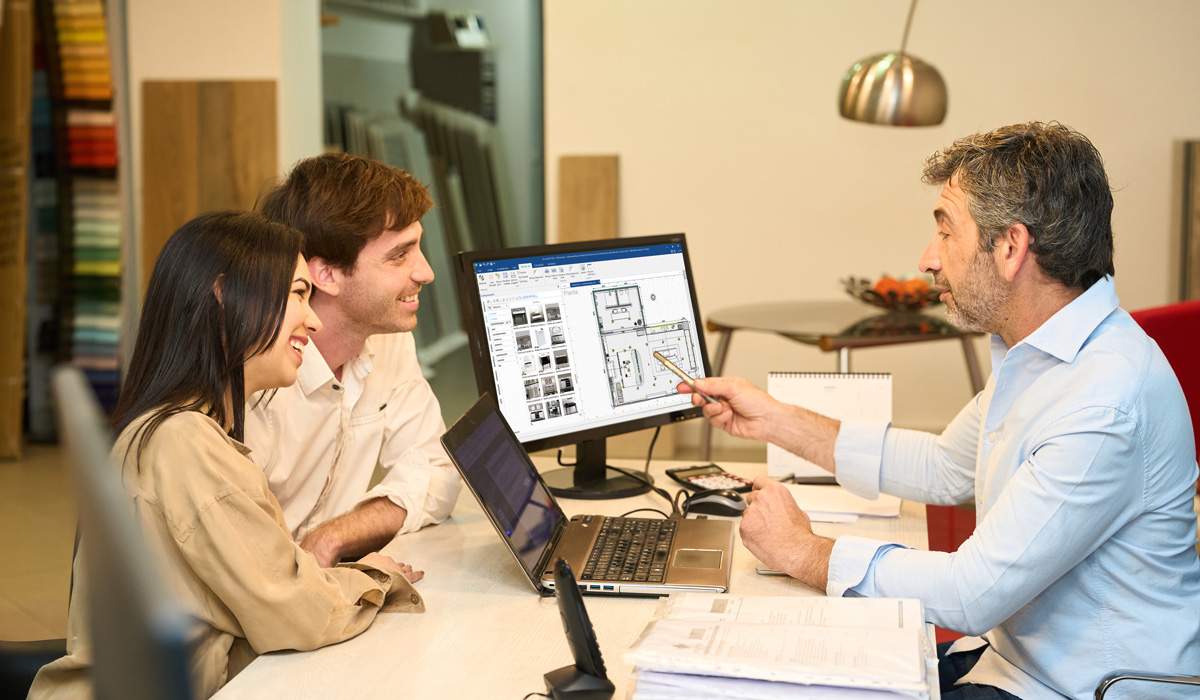
With DomuS3D, the salesperson can turn the collected information into a complete environment in just a few minutes, working live.
Speed is decisive: switching a wall covering, trying a different basin, changing the cabinet color becomes immediate. The customer no longer has to imagine—they can see.
This dynamic has three powerful effects:
Real-time graphics and 3D navigation allow customers to “step into” their bathroom before it even exists.
When someone starts recognizing that space as their own, the project stops being a quote and becomes a concrete desire. And a concrete desire is much easier to sell.
After the design phase, DomuS3D makes it possible to produce photorealistic renders, 360° panoramas, and even virtual reality experiences with VR headsets.
It’s the “wow” moment.
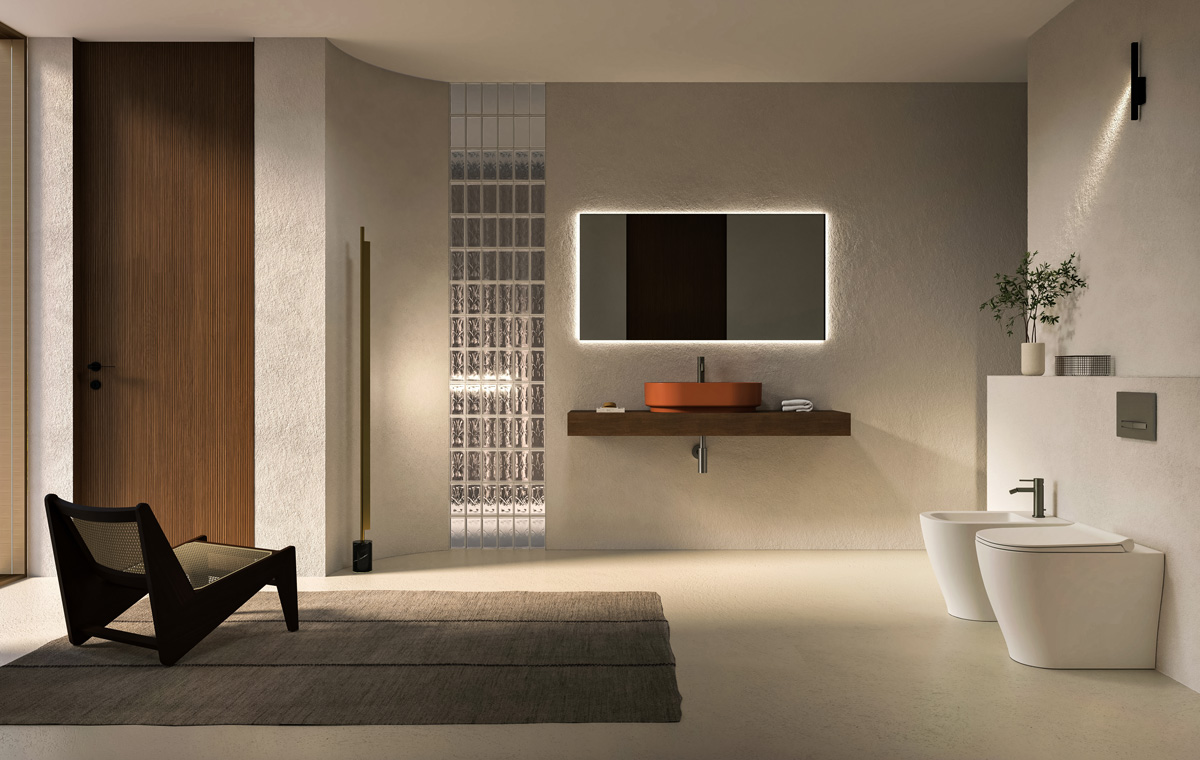
Customers see lighting, reflections, and materials as if they were already inside the finished bathroom. At this point, objections drop dramatically: the fear of making a mistake gives way to excitement.

After being listened to, engaged, and impressed, customers are psychologically ready to buy.
They’re no longer asking whether to purchase, but when to start.
Many showrooms that adopt this method record a clear increase in the conversion of quotes into orders, because the project is clear, shared, and desired.

The sale doesn’t end at the desk. With DomuS3D, it’s possible to deliver a customized brochure with the moodboard, images, technical data, and documentation for the installer, as well as share everything online through the dedicated platform.
Customers leave with professional materials that are easy to show to family members or decision-makers. In practice, the showroom continues selling even after the customer has returned home.
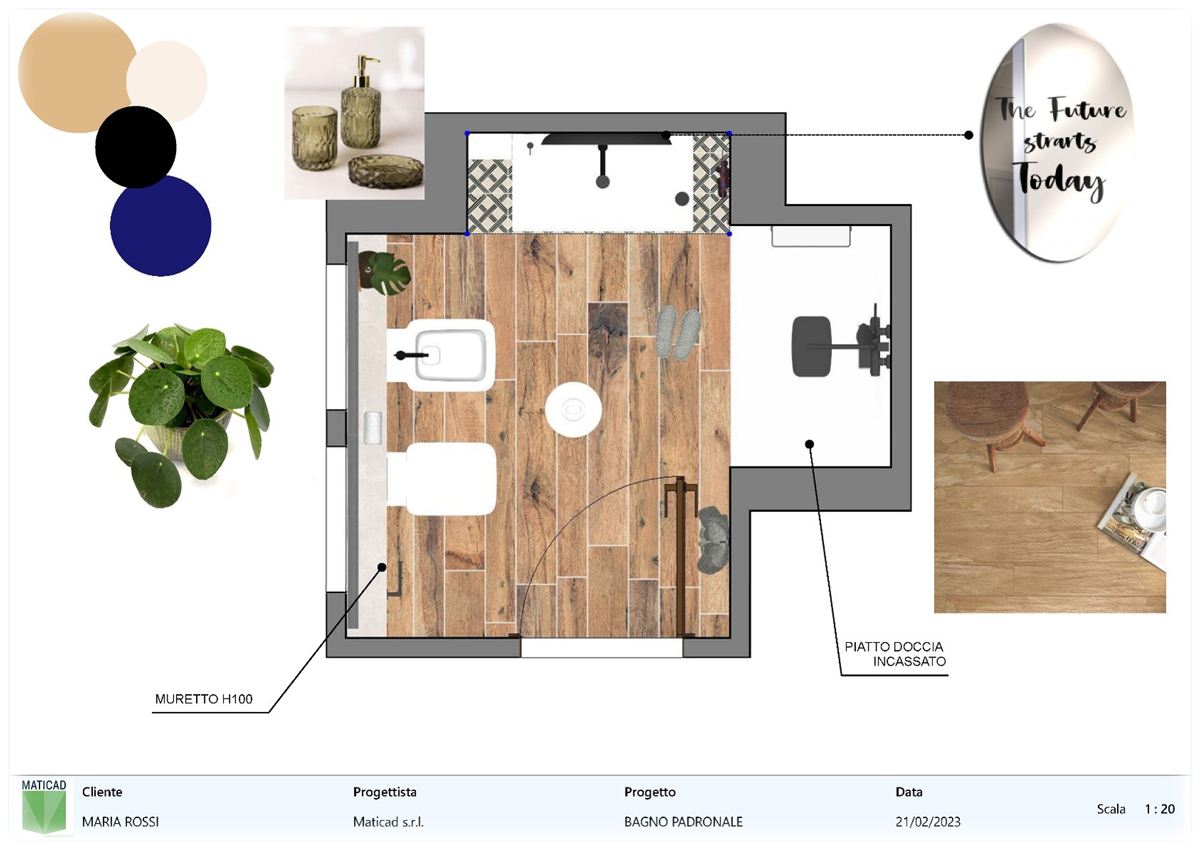
An intuitive interface and automation reduce the time needed for daily design work, allowing the team to focus on the commercial relationship.
And in retail, the relationship is everything.
Renders and projects can be published on the website and on social media, showcasing expertise and service quality.
In this way, the software becomes a customer acquisition tool as well as a sales tool.
In summary
A successful showroom today must:
– offer consultancy, not just products;
– make visible what doesn’t yet exist;
– excite and inspire;
– simplify the decision.
DomuS3D makes exactly this possible: it transforms the visit into an immersive experience and the quote into a project you can truly live.
And when customers can already see themselves inside their new bathroom, the sale is practically done.